Replaying Xena: Reflections on my favourite fictional character

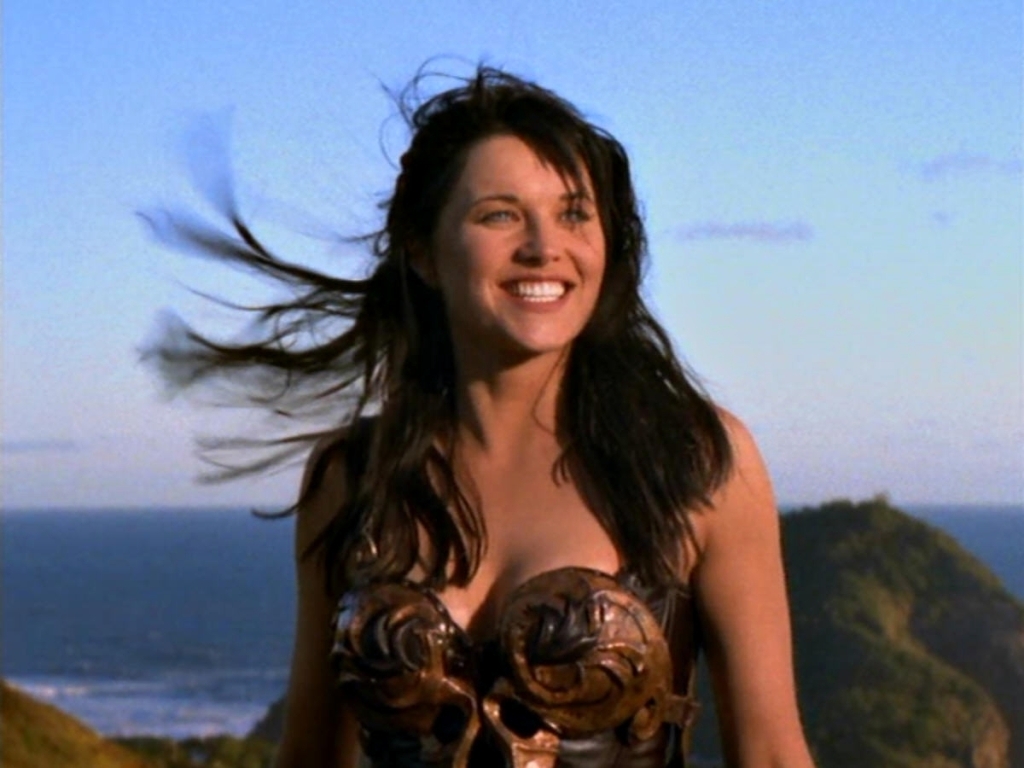
Xena from opening credits

Xena of Amphipolis, aka the Warrior Princess, is indeed my favourite fictional character.

(For the record, her character wasn’t actually a princess, which I like better now that I’m well past the age of 5 and its pervasive draw to all things “princess”.)

The show Xena Warrior Princess aired while I was in high school and university, from 1995-2001.

I’m not sure how it was I came to discover it or its two companion shows, Hercules: The Legendary Journeys and The Adventures of Sinbad, but all three quickly became part of my Saturday afternoon routine.  Xena was always my favourite.

Continue reading

Bringing Up the Bodies: On resurrecting dead manuscripts

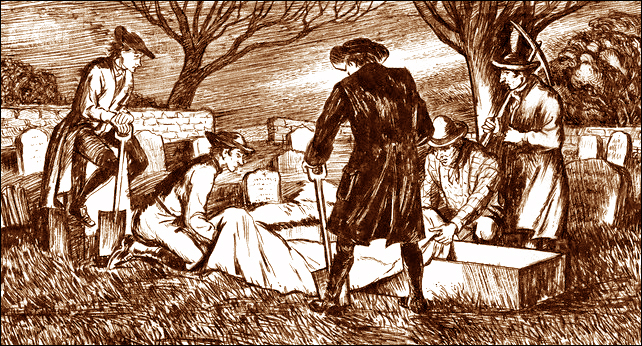
Every writer who’s been writing for a while has a dead manuscript stuffed away somewhere.

Be it a bottom drawer, bottom shelf, back of a closet, or in digital form in some dark oubliette on one’s hard drive, it’s something of a rite of passage for a writer to discover his/her novel (usually the first one) is an irredeemable mess, and for him/her to give it the axe.

But how many of those whacked novels refuse to go quietly into that good night? How many writers end up haunted by the ghost of what could have been – what still can be now that they’re stronger wordsmiths who have loved, lost, and learned the error of their once novice ways?

And for those who have had this experience, how many actually give into it and take another crack, as it were, at the title?

I’m seriously considering doing just that.

Continue reading

Sometimes Magic Just Works: 4 Q&As about my WIP

Ravenswing Dress - The Dark Angel Design Company, Photography - Lunaesque

The Dark Angel Design Company, photography by Lunaesque

Time to talk about my WIP again!

I never used to do this at all, as the thought of giving the dreaded “elevator pitch” makes my stomach churn like too much greasy pizza too close to bedtime.

But like anything bearing the label “dreaded”, said dread is usually lessened over time through devoting regular thought and effort to improving at the task at hand.

In other words, I need to practice pitching and promoting myself more.

Which is why, when tagged by my blog-buddy Eric J. Baker, to answer four questions about my WIP as part of the Writing Process Blog Tour, and I agreed to participate.

The four questions are thus as follows:

Continue reading

“For Diversity’s Sake”: On Representation in Fiction, One’s True Art & the Vicious Circle of Mainstream Media

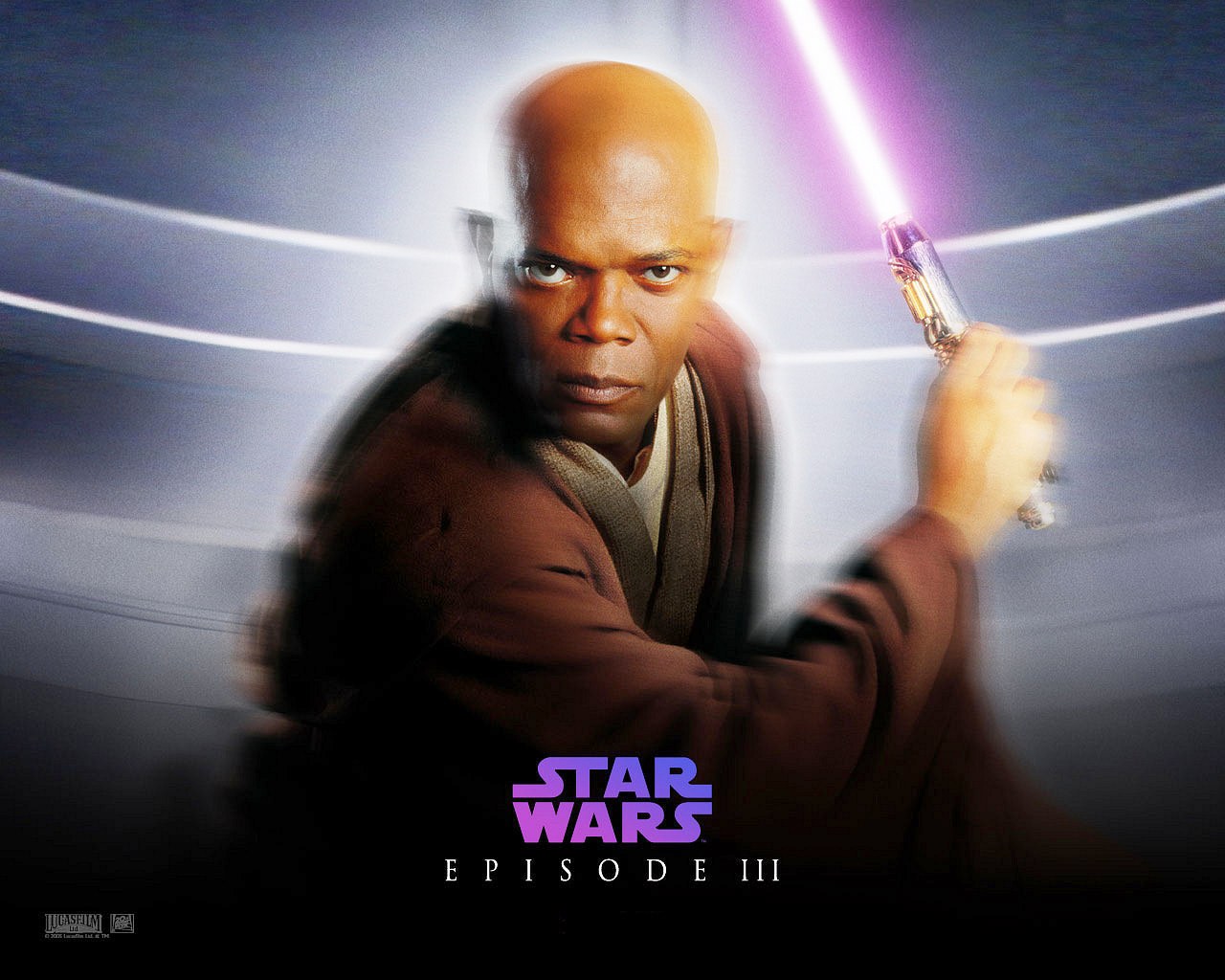
Samuel L. Jackson as Mace Windu, the first black Jedi.

Samuel L. Jackson as Mace Windu, the first black Jedi.

There’s been a lot of talk lately within the corners of the blogosphere I frequent about diversity of characters in genre fiction.

First fantasy author Chuck Wendig blogged in favour of book and movie characters being more representative of the world around us.

Then, indie fantasy author Ksenia Anske wrote about writers – diverse writers included –writing their true art – whatever shape or colour that may be – rather than being obliged to meet quotas of diversity – a compelling piece I neither fully agree nor disagree with.

This topic is hardly new within the writing world, with numerous other arguments out there both for and against the inclusion of more people of colour, of different sexual and gender orientations, and different physical and mental ability levels in genre fiction.

The “against” argument I despise the most is the concept of something I repeatedly saw in the comments trail of Chuck Wendig’s post.

The notion of “diversity for diversity’s sake”.

Continue reading

Character Study: Bronn from TV’s Game of Thrones (& what liking him says about me)

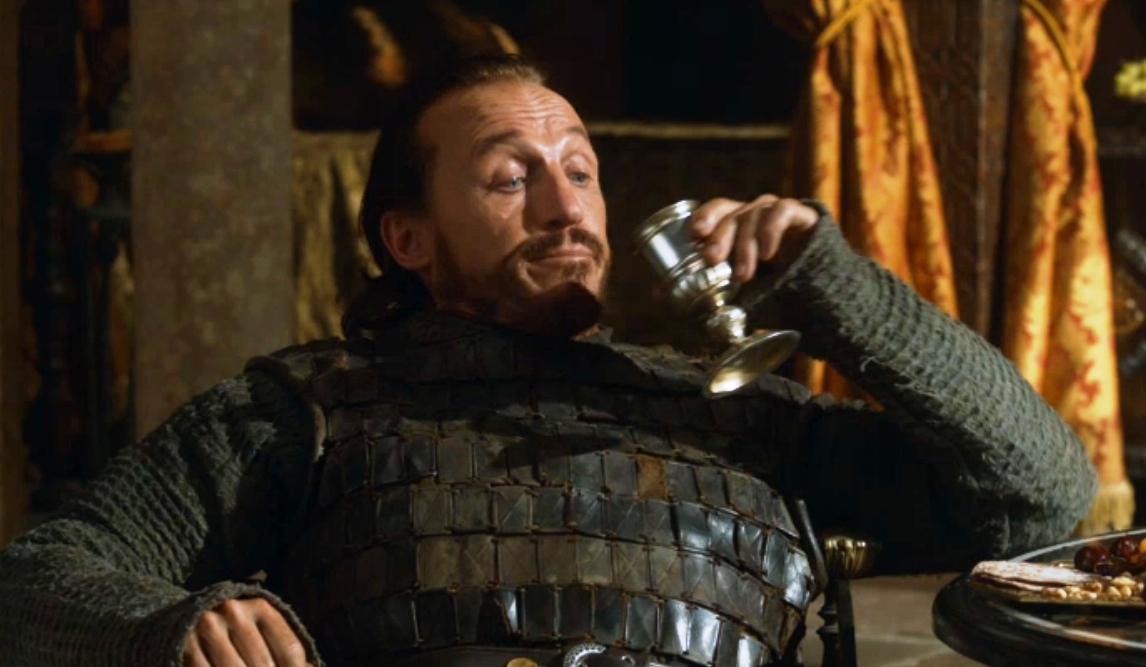
Ser Bronn of the Blackwater

Ser Bronn of the Blackwater

Like most people who enjoy TV, I’m following Game of Thrones.

Also like most people, I have my favourite Game of Thrones characters, many of whom have died horrible deaths.

Thankfully, I still have a couple of favourites left, one of whom is Tyrion Lannister’s sellsword bodyguard-turned-knight, the aptly-named Bronn.

Bronn is a secondary character in the series, yet one I’m always excited to watch.  This despite the fact that the roguish soldier of fortune – a hard-drinking, womanizing, wry, cunning, yet still reasonably amiable mercenary – is a common high fantasy trope.

Continue reading

Writing Historical Fiction: A How-NOT-To

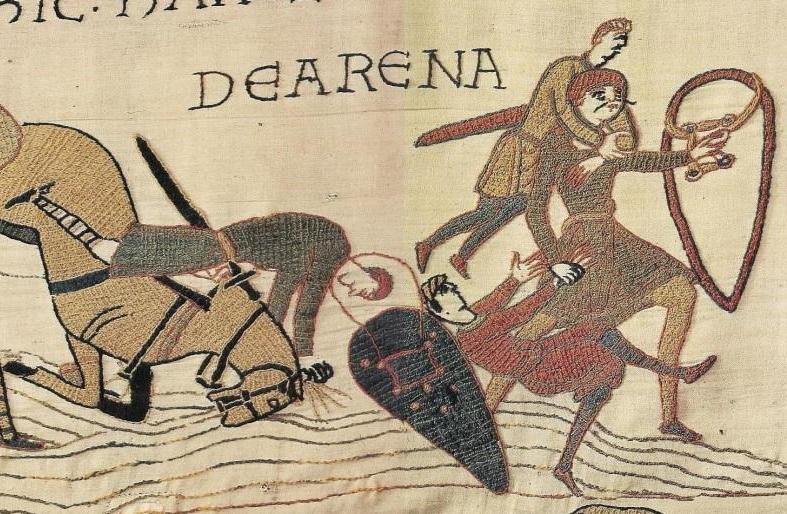
It sucks to be three out of four of these guys.
(The Bayeux Tapestry, 11th Century.)

I never set out to write a historical fiction novel.

If you go back far enough, it can be argued I never set out to write a novel period, for I never believed I’d be able to sustain a story for that length.

But once it did occur to me that I had a novel-length tale to tell, I didn’t expect for it to be a historical one.

As a result of this lack of foresight, the way I’ve gone about writing this novel (technically novels, for there’s two of them; so much for not thinking I could sustain a long story) is definitely not something I’d recommend.

There’s no one right way to write a novel, but what I’ve done may well be the one wrong way to write HF.  Don’t believe me?  Behold my list of what NOT to do, all of which I did, to my detriment.

Continue reading

Inspired By Ireland: The post I should’ve written on St. Patrick’s Day

I admit to having been a total kill-joy last Monday, writing about Lent on St. Patrick’s Day.

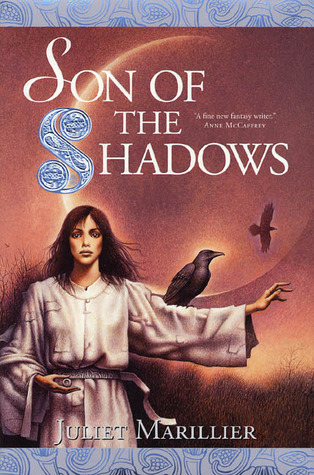
Son of the Shadows cover

This week’s post will make up for that.

Even though St. Paddy’s Day isn’t a significant event in my life (likely because usually I’m in the throes of Lent at the time), the mystique of Ireland was a powerful inspiration for me in the early days of my novel-in-progress.

Not because the story itself has anything to do with Ireland (it’s set in medieval England), but instead due to some of the books I was reading and music I was listening to at the time: two fabulous works whose recommendation is a far more pleasant St. Patrick’s Day greeting (however overdue) than my blathering on about giving up indulgences and society falling apart.


Continue reading

Why I (Literally) Went Medieval on My Writing

There’s a restaurant in Toronto called Medieval Times.

When I was a kid, I would see commercials for it on TV. The gimmick of this restaurant is that it’s set up like a large medieval hall in which patrons are entertained by knights sword fighting and jousting on real horses, all while eating medieval-esque fare without cutlery and drinking out of giant goblets.

To my child self, it looked like the most awesome thing ever. Whenever the commercial (which was more like a movie trailer) came on, I’d stop whatever I was doing and imagine myself going to the restaurant.

Unfortunately, because I was living in Nova Scotia, I never got to go.  I still haven’t been to this day.

Now, I’m writing a novel set in medieval England.

Continue reading

Adventures in Reading: Soldiers of Misfortune

Every reader has a T(o) B(e) R(ead) pile; sometimes a TBR pile that’s years in the making.

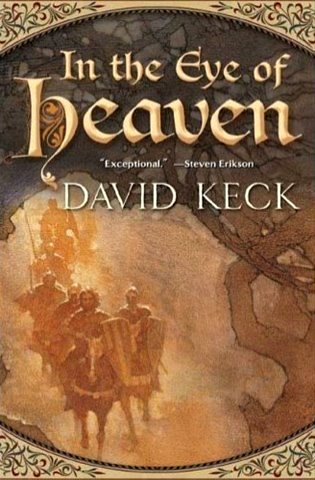
I’m no exception in this regard.  To wit, I’ve been meaning to read the fantasy novel In the Eye of Heaven since its publication in 2007.  Back then, fantasy was my genre of choice, and this book was blurbed by my favourite fantasy author, Jacqueline Carey.

As well, the book’s author – David Keck – is a fellow Canadian and was a debut author in the genre in which I’d hoped to someday be published.

I finally read this book this past May.  It’s success in summiting my eight-years-long TBR pile has a lot to do with its subject matter, as well as my assertion in a previous post that sometimes research for one’s own novel is conducted via fictional sources.

Continue reading

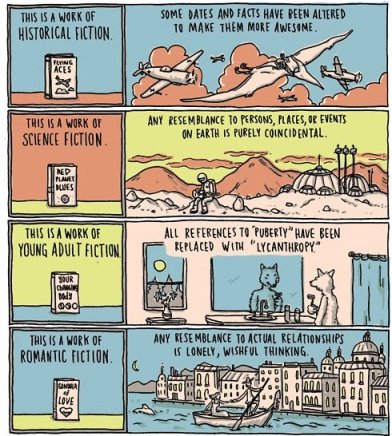
Who’s Gonna Read Your Book II: On genre conventions / unconventional genres

One of the most important and oft-cited tenets of marketing is to identify your target audience.

When it comes to books, an easy was to start doing this is through identifying your novel’s genre, thereby making your target audience the readers of said genre.

Many writers descry genre.  I’ve hear it stated that genre conventions impose limits to creativity and the possibilities a writer can introduce into a story.

Some also claim that genre is a means by which the traditional publishing industry pigeonholes the market by only publishing stories adhering to this or the other trend, which ultimately comes to define various genres as a whole (e.g. the dystopian trend in YA).

Yet, whether one agrees with the above statements or not, genre is the means by which readers have been trained to locate books within the publishing landscape.  Whether a book is traditionally published or self-published, it’s the GPS that helps lead readers to the promised land of similar content and fulfilled expectations.

According to bestselling sci-fi author Hugh Howey,

[W]riting within a genre is a huge first step in becoming discovered. No one is looking for you or your particular book. You are both unknown unknowns. So you better write a book that’s near a specific book….  Random fantasy books sell better than random randomness.

But what happens when your book doesn’t quite fulfill those expectations?  What happens when it meets some of the conventions of its genre, yet blithely disregards others?

What happens if your book is like my book?

Continue reading