I overwrite everything.
For a long time, this has been my way in every form of writing that I do, from emails to work memos, from “short” stories to “short” novels.

For a long time, this has been my way in every form of writing that I do, from emails to work memos, from “short” stories to “short” novels.

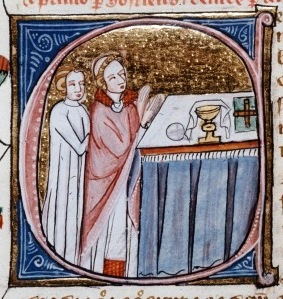
The services it provided contributed to every key turning point in people’s existence. According to John R.H. Moorman, author of Church Life in the Thirteenth Century,
It gave first, the regular worship of the Church on Sundays and weekdays. It gave also the opportunities of Christian baptism, matrimony and burial, together with a little teaching and some spiritual direction mainly administered in the confessional. Further, it offered to the sick and the dying spiritual comfort and perhaps, in some places, medical help as well. (p. 151)

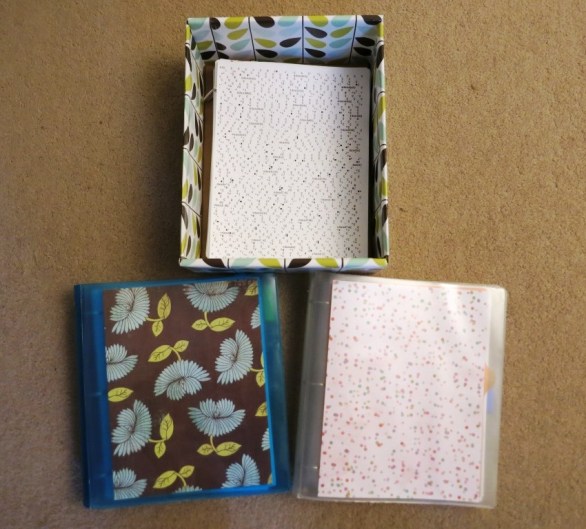
Three drafts of my WIP: first (in the box), second (blue), and third (clear)
“Thoughts on Reading Through My Novel’s Third Draft and Completing My Fourth Draft at More or Less the Same Time”.
Because that is how it went down.

The average modern inhabitant of the western world, even a religious one, might struggle to conceive of how much this was the case.

At the intersection of these two opposing ideas is the place where I wonder whether, at this moment, I’m good enough for traditional publication.
Whether my historical fiction WIP, which I’ve believed in long enough to have now gone through three (soon to be four) drafts, is now good enough to at least pique the interest of a publishing professional, let alone snag and hold that interest for the duration.

To begin with, as previously discussed in my post on the feudal system, a “knight’s fee”—that is, the assorted obligations a vassal owed his lord in exchange for the land he lived upon—was both passive and active in nature.

Are you a plotter…
(outliner)
(architect)
…or a pantser
(discovery writer)
(gardener)?

And then there were three: first (green), second (blue), and third (clear) drafts of my WIP
Compared to the marathon of completing the second draft of my historical fiction WIP—which amounted to a complete rewrite of a draft written years ago—there was no way, I told myself, that I’d spend another year on draft three.
Or even the better part of a year

The chivalric ideal
At the same time, few aspects of 13th century medieval history are as grossly misrepresented in mainstream entertainment as the medieval knight.
My previous post about knights in the Middle Ages touched on how the process of becoming a knight involved training in manners, music, and poetry when a young boy was a page, and sacred vigil and dedication of his sword when a squire was elevated to knighthood.