The Shortest Story I’ve Ever Written

For the record, I don’t like short stories.
Once upon a time the endI’ve written about 10 of them over the course of my writing “career” thus far, and almost all of them are flops.

Not because the writing is bad per se (although some of them were written while I was still in high school, so neither is the writing deathless prose). Rather, they don’t work because they aren’t really short stories at all.

They’re novel back stories masquerading as short stories.

That just seems to be the way my brain works: my stories come to me novel length.

(If my WIP is any indication, my stories come to me trilogy length.)
Continue reading

Are Characters Born or Made? (The “Meet My Character” Blog Tour)

Novelist at work

Most writers, I’m sure, have heard tell of characters who seemingly develop “minds of their own” and “take over”  the stories they’re part of.

Maybe it’s happened to you.

Whether or not this phenomenon even truly exists was the subject of the second-most contentious discussion my writing group has ever had.

(The most contentious, unsurprisingly, concerned plotting vs. pantsing.  But that’s a story for another day.)

One writer from my group absolutely believed that characters can come to life, and that them doing so is a quasi-spiritual experience for the writer – a channeling of the divine, uncontrollable inspiration that exists all around us.

A writing of the story through us rather than by us.

Continue reading

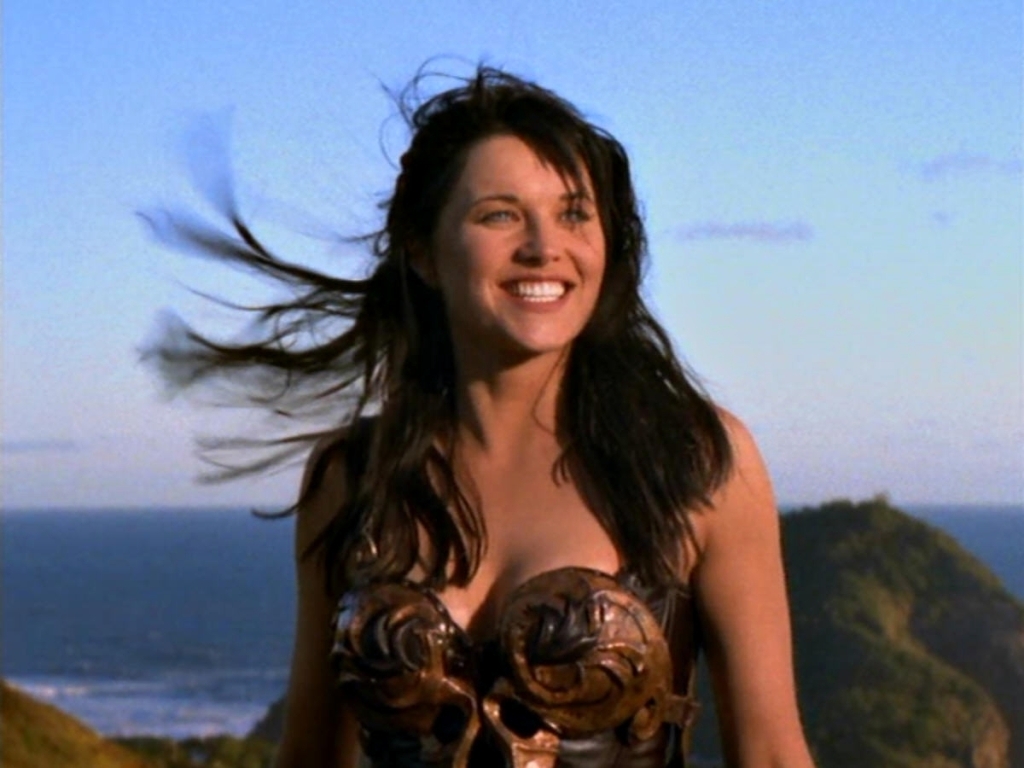
Replaying Xena: Reflections on my favourite fictional character

Xena from opening credits

Xena of Amphipolis, aka the Warrior Princess, is indeed my favourite fictional character.

(For the record, her character wasn’t actually a princess, which I like better now that I’m well past the age of 5 and its pervasive draw to all things “princess”.)

The show Xena Warrior Princess aired while I was in high school and university, from 1995-2001.

I’m not sure how it was I came to discover it or its two companion shows, Hercules: The Legendary Journeys and The Adventures of Sinbad, but all three quickly became part of my Saturday afternoon routine.  Xena was always my favourite.

Continue reading

Not the Girls We Think They Are: On unattractive female characters in fiction

Jane Eyre (2011)

Jane Eyre (2011)

“She isn’t ugly enough.”

This was my friend’s comment on the actress playing Tris Prior in the movie Divergent as we stood in line to buy tickets.

“She wouldn’t be my type if I were into girls,” I replied, thinking I’d missed the punch line of a joke and trying to compensate with humour of my own.

“No,” my friend insisted.  “People are complaining about the actress being too pretty because in the book Tris is supposed to be ugly.  Remember?”

We’d both read the book.  My friend enjoyed it more than I did, and as a result seemed to remember certain details better than me as well.

But now that she mentioned it, I did recall something about Tris considering herself unattractive, or in the very least, plain, and that she was sure her male crush would dislike her because of it.

Continue reading

Staged Under a Striped Tent

The Circus Tent II, by Timmy on flickr

The Circus Tent II, by Timmy on flickr

The world, it’s been said and oft-repeated, is a stage.

I too am one such a player – a masked pretender cued by the reflection my audience mirrors back to me.

But I am also a writer – one who has further played the role of poet, at one time or other.  I have characterized my own self, as well as my personal stage where the show goes on.

Continue reading

Character Study: Sarah Manning from Orphan Black (and, yes, a hero IS a special snowflake)

I first learned of Orphan Black when it was just an obscure, homegrown program on Canada’s Space Channel.

And in my customary inability to pick a winning horse, dismissed it without watching a single episode, deeming it just another sci-fi show on Space – a network whose programming quality, let’s be honest, varies.

But recently, my blog-buddy Eric J. Baker wrote about Orphan Black, recommending everyone give it a try.  Plus, with the second season having recently started, news of Orphan Black and its success was everywhere in Canadian entertainment news.

So, I decided I’d watch a bit, and thus far am halfway through season 1.

Continue reading

“For Diversity’s Sake”: On Representation in Fiction, One’s True Art & the Vicious Circle of Mainstream Media

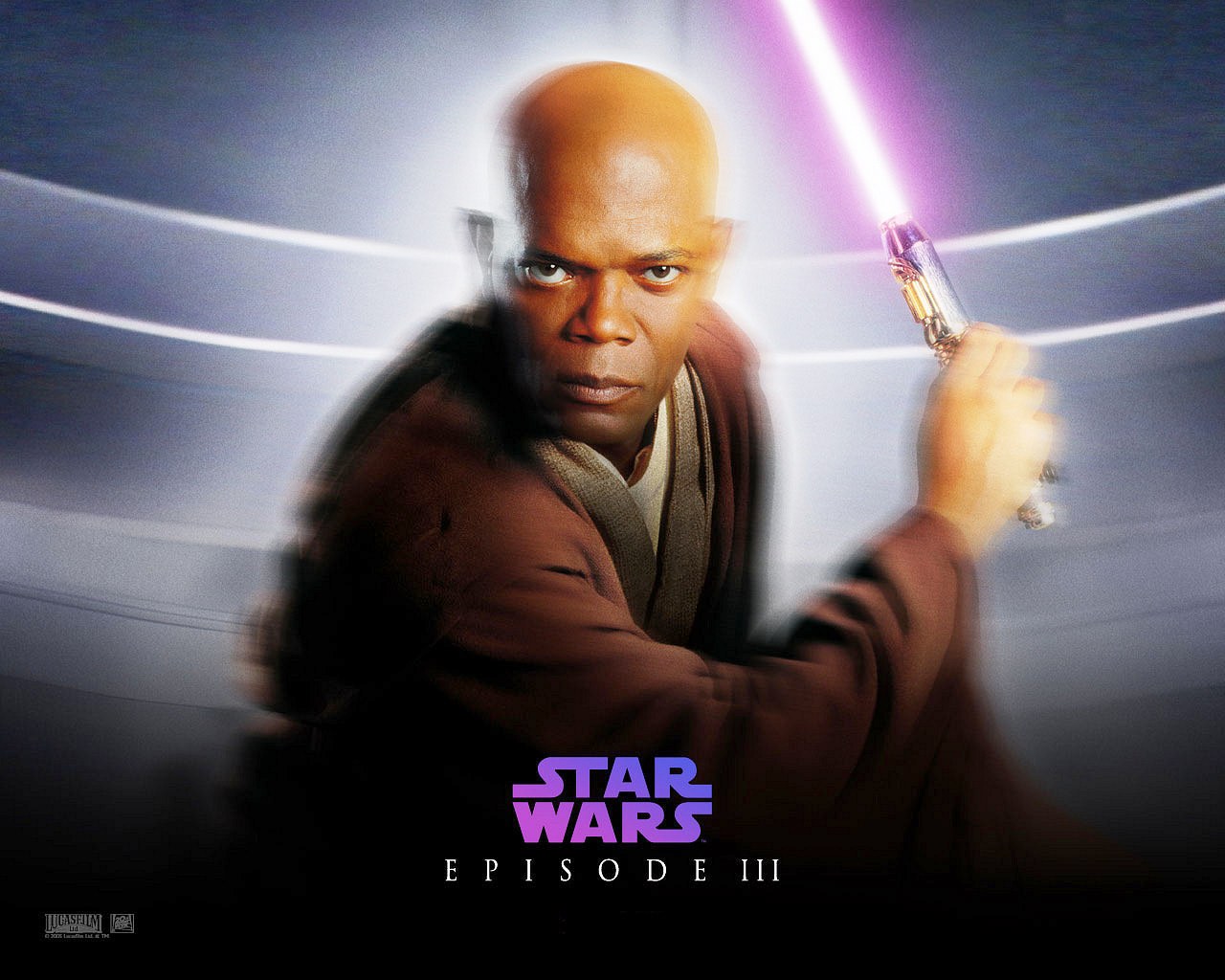
Samuel L. Jackson as Mace Windu, the first black Jedi.

Samuel L. Jackson as Mace Windu, the first black Jedi.

There’s been a lot of talk lately within the corners of the blogosphere I frequent about diversity of characters in genre fiction.

First fantasy author Chuck Wendig blogged in favour of book and movie characters being more representative of the world around us.

Then, indie fantasy author Ksenia Anske wrote about writers – diverse writers included –writing their true art – whatever shape or colour that may be – rather than being obliged to meet quotas of diversity – a compelling piece I neither fully agree nor disagree with.

This topic is hardly new within the writing world, with numerous other arguments out there both for and against the inclusion of more people of colour, of different sexual and gender orientations, and different physical and mental ability levels in genre fiction.

The “against” argument I despise the most is the concept of something I repeatedly saw in the comments trail of Chuck Wendig’s post.

The notion of “diversity for diversity’s sake”.

Continue reading

Character Study: Bronn from TV’s Game of Thrones (& what liking him says about me)

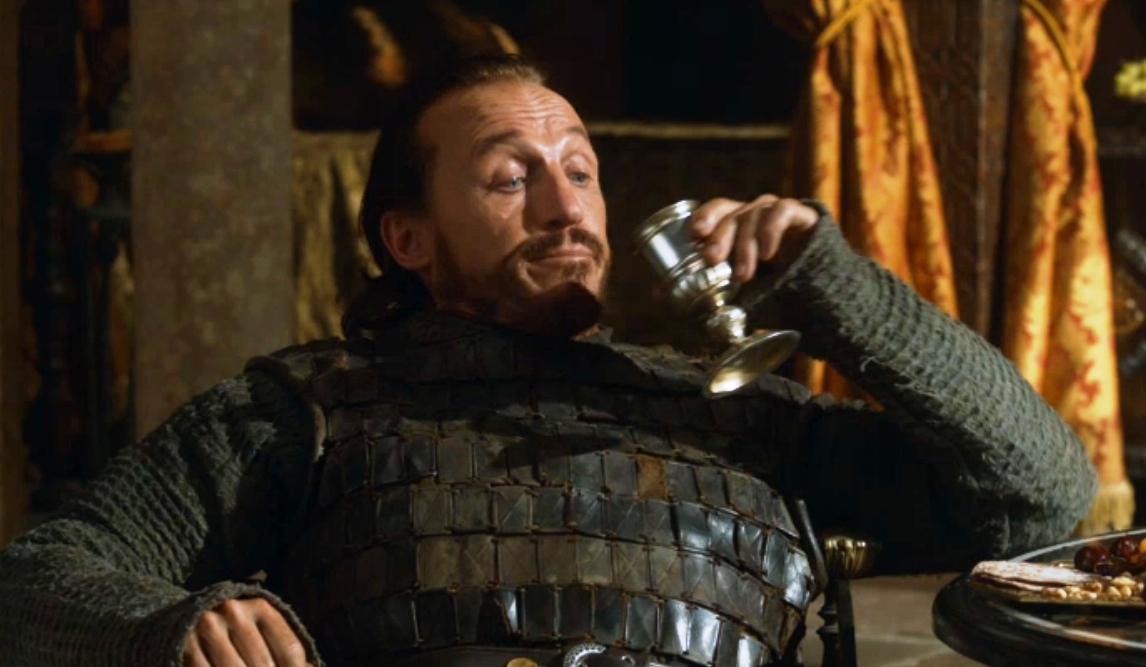
Ser Bronn of the Blackwater

Ser Bronn of the Blackwater

Like most people who enjoy TV, I’m following Game of Thrones.

Also like most people, I have my favourite Game of Thrones characters, many of whom have died horrible deaths.

Thankfully, I still have a couple of favourites left, one of whom is Tyrion Lannister’s sellsword bodyguard-turned-knight, the aptly-named Bronn.

Bronn is a secondary character in the series, yet one I’m always excited to watch.  This despite the fact that the roguish soldier of fortune – a hard-drinking, womanizing, wry, cunning, yet still reasonably amiable mercenary – is a common high fantasy trope.

Continue reading

Inspired By Ireland: The post I should’ve written on St. Patrick’s Day

I admit to having been a total kill-joy last Monday, writing about Lent on St. Patrick’s Day.

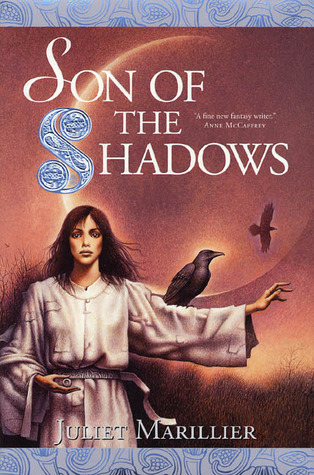
Son of the Shadows cover

This week’s post will make up for that.

Even though St. Paddy’s Day isn’t a significant event in my life (likely because usually I’m in the throes of Lent at the time), the mystique of Ireland was a powerful inspiration for me in the early days of my novel-in-progress.

Not because the story itself has anything to do with Ireland (it’s set in medieval England), but instead due to some of the books I was reading and music I was listening to at the time: two fabulous works whose recommendation is a far more pleasant St. Patrick’s Day greeting (however overdue) than my blathering on about giving up indulgences and society falling apart.


Continue reading

Character Study: Raleigh Becket from Pacific Rim

So, I finally saw Pacific Rim a couple weekends ago.

I opted to give this movie a pass when it came out in July, believing it to be just another dumb summer blockbuster involving robots, a la Michael Bay’s Transformers franchise.

(I loved the original 80s Transformers cartoon, yet there’s so much to hate about those movies.)

As a reader at heart, I tend not to like most movies I watch, especially those that come out in the summer.  If I watch a summer flick at all, it’s usually on video, and for the benefit of some mindless entertainment after a tough week at work.

But Pacific Rim surprisingly gave me a lot to think about, particularly with regards to its characters.

Continue reading