Time for my final burning writing question.
I’ve been answering burning writing questions that readers of my blog submitted as part of the celebration of my 10th writing birthday, which took place back on February 12.

I’ve been answering burning writing questions that readers of my blog submitted as part of the celebration of my 10th writing birthday, which took place back on February 12.

Fourth (left) and partial sixth (right) drafts of my WIP
The end.
But of course that’s not the end at all. Indeed, the realization of how wretched having your work critiqued can be is only just the beginning of a new stage of your writing journey.

To be clear, it was a good idea. Although I’d already written the first draft of the first book of my historical fiction trilogy in 2006, I went on a six year writing hiatus after that, during which time I’d convinced myself I was giving up writing forever.

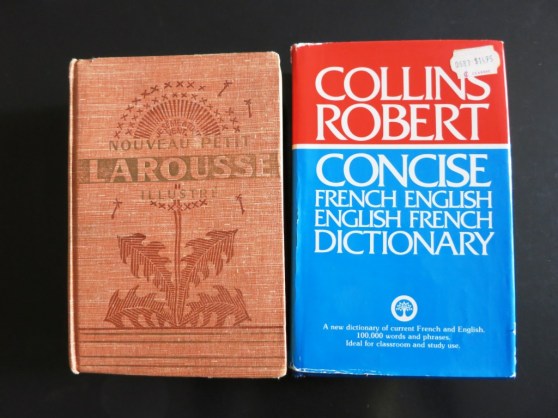
These names had to be Anglo-Norman in origin, and involved me increasing my French vocabulary, researching Norman toponymy, and a ton of trial and error to create nice-looking names.

Previously, I answered a question from my good friend, Lydia. But there was a second question that she put before me:
How do you come up with interesting character names in your work?

(Continued from Part 1)
Another important inconsistency was that even though sex was considered a requirement between spouses, this didn’t mean just any sexual act was acceptable.

(Continued from Part 1)
More specifically, that post was about all the things I demanded of prospective members in order to prove their interest, commitment, and ability to do the necessary work of critiquing.

Most of these contradictions stemmed from the involvement of the medieval Church in dictating proper sexual conduct. In turn, according to Marty Williams and Anne Echols, authors of Between Pit and Pedestal: Women in the Middle Ages, the Church’s involvement was owing to the fact that,
Many theologians were completely unable to reconcile sex and the sacred because sex was viewed as something unholy and unclean (p. 86).

The services it provided contributed to every key turning point in people’s existence. According to John R.H. Moorman, author of Church Life in the Thirteenth Century,
It gave first, the regular worship of the Church on Sundays and weekdays. It gave also the opportunities of Christian baptism, matrimony and burial, together with a little teaching and some spiritual direction mainly administered in the confessional. Further, it offered to the sick and the dying spiritual comfort and perhaps, in some places, medical help as well. (p. 151)