Strong Female Characters Who Fight Silent Wars

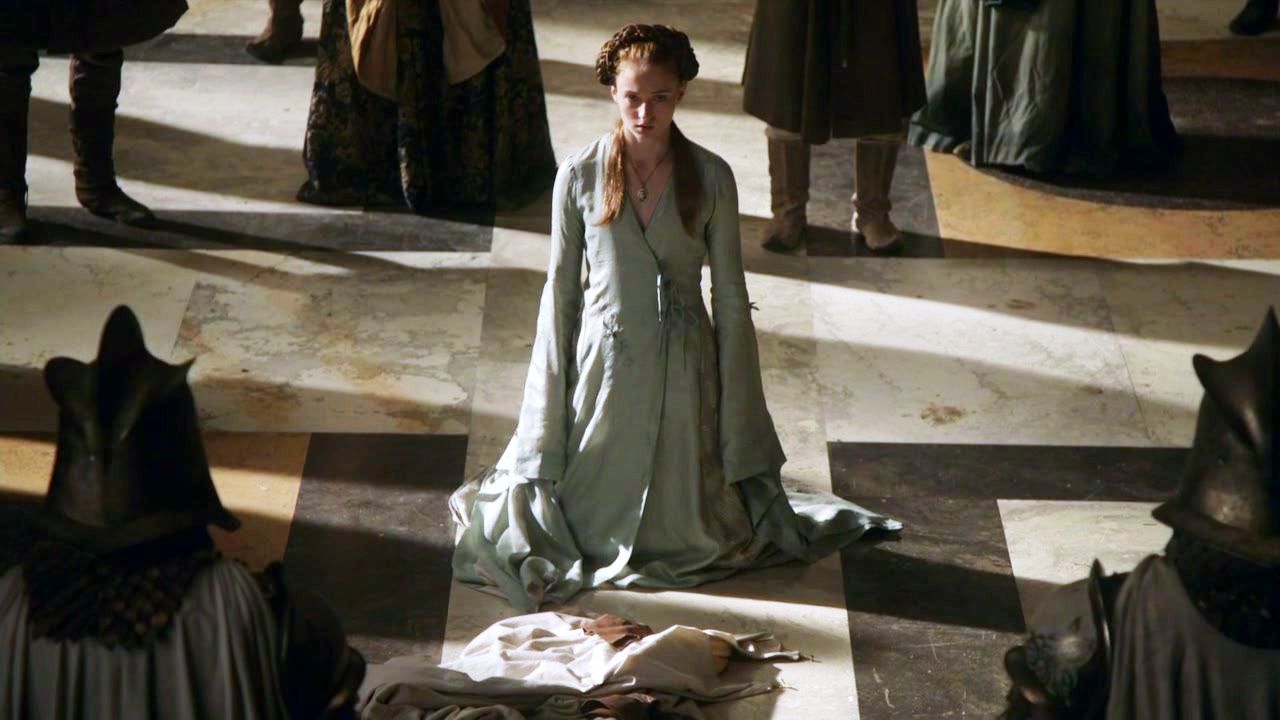
When I was in grade 5 or 6, I read a young adult fantasy novel entitled The Woman Who Rides Like a Man.

This book was the third of a quartet by the wonderful Tamora Pierce about a girl named Alanna who disguises herself as a boy in order to enter training to eventually become a knight of her kingdom.

I loved this book – loved the entire series – and from that moment, a obsession with female fantasy characters who could fight was born.  I couldn’t get enough of stories where women wielded swords, shot bows, fought empty-handed in any sort of martial art, worked as mercenaries, commanded soldiers, and never had to fear for their safety or worry about being disrespected, for they knew how to put jerks in their place.

Stories featuring – as they’re often portrayed within the genres of fantasy and sci-fi – strong female characters.
Continue reading

Vices and Devices: Best Tech for Writers (you might be surprised…)

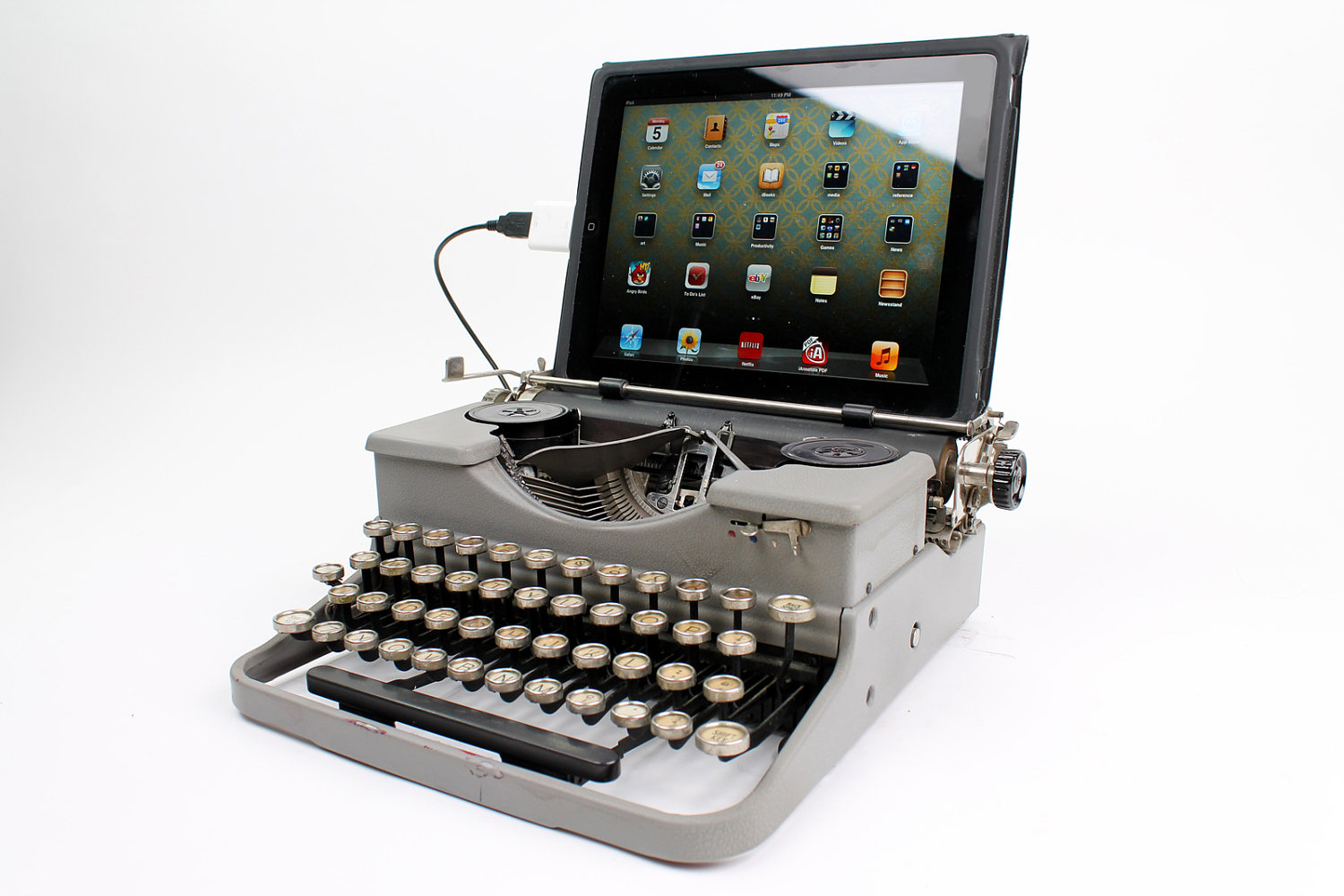
Ask any group of writers what technology they can’t live without and you’ll get the same handful of answers…

Computer…

iPad…

Internet…

Scrivener…

The voice-recording app on one’s phone…

…over and over again.

(Rare is the astute writer who notes I in no way specified writing-related technology.  Few ever answer “my fridge” or “my stove” or “my furnace in the dead of winter”.)

The problem with writing-related tech is that it does little to account for the writing life as a whole.

As a point of comparison, consider the important markers that define a healthy lifestyle: sure, exercising five days a week will give you a hard, hot body that will turn heads on any beach.  But if you’re also an insomniac, chain-smoking stress cadet, how healthy can you truly claim to be?

Writing is no different.  Getting words down on a page is just the tip of the proverbial iceberg; there’s a lot more supporting it beneath the surface that’s not readily seen.

Here’s some tech that helps me, at least, take care of, not just the writing, but also the person doing the deed, to promote a more holistic writing life:

Continue reading

Write a Novel to Change People, to Change Yourself and the World, for the Better

(A/N: This post is in honour of the victims, the emergency staff, and those in mourning in Boston)

I was on the treadmill, running, as the devastating events surrounding the Boston Marathon were unfolding.

Because of the time difference between Boston and Vancouver, BC, it was my lunch hour, which, as usual, saw me in the gym located beneath my office.

I was enjoying my run that day, which is by no means a guaranteed occurrence.  Afterward, to commemorate, I took to Twitter to convey my delight in how just the right song coming up on one’s iTunes shuffle at just the right time (such as during the final five-minute sprint) can transform an otherwise good run into one that’s AWESOME and KICKASS and makes you feel able to CONQUER THE WORLD!

It was then that I took a closer look at the content of all those #Boston tweets filling my Twitter stream….

Continue reading

On Validation, and why it’s okay for writers to want it

"I've wanted more than anything to have your respect....  And I can't deny the fact that you like me, right now, you like me!" (from actress Sally Field's 1985 Academy Award acceptance speech)

“I’ve wanted more than anything to have your respect…. And I can’t deny the fact that you like me, right now, you like me!” (from actress Sally Field’s 1985 Academy Award acceptance speech).


This issue of validation keeps coming up within the traditional vs. self-publishing debate.

For some time now, I’ve been reading various blog posts and articles discussing the merits of one form of publishing compared to the other, particularly as related to the aspirations of unpublished writers.

This debate is nothing new – indeed, it’s been going for so long now as to be almost institutionalized, complete with its own special vocabulary: “gatekeepers”, “credibility”, “the gauntlet”, “vetting process”, “the old guard”, “the new order”, “the publishing revolution”, “the Big 6, 5, 4, etc.”

However, over the past two weeks, a new vocabulary word has appeared on the scene, predominantly in disparaging reference to writers seeking a deal with a traditional publisher:

Validation.

Or better put: the desire for acceptance by and praise from the agents and editors of traditional publishing as opposed to the potentially greater monetary rewards of self-publishing.

Continue reading

The Mountains Became My Muse

I’ve always fancied myself something of a poet.

This may be more than a little presumptuous on my part: I’ve never formally studied poetry; I’ve never taken courses in it beyond what was covered in my grade 11 creative writing class.

(Admittedly, the class in grade 11 was the only in-class instruction I’ve ever had in prose as well.  However, I did spend from about 2001 to 2004 reading every creative writing how-to book I could get my hands on, which, to me, likewise counts as a prose education.)

Yet, everything I learned about poetry during that grade 11 writing class just seemed to resonate with me: poetic meter; unexpected metaphors, similes and rhymes; beginnings, middles, endings, and points of view, just like in prose; denotation; connotation; the sound of the words vs. their literal meaning.

All these lessons have also come to be parlayed into the prose of my novel-in-progress, to which I’m always keen to lend a poetic edge.

Continue reading

Adventures in Reading: A tale of two tyrants – part 2

Continued from part 1

Tyrant #2: King John of England, 1167 (b) – 1216 (d)

More people are familiar with King John of England than probably realize.

This is not so much due to his own merits, but rather his frequent association with another, better-known individual from history:

Robin Hood.

(King John, just so you know, was a real historical personage.  Robin Hood, meanwhile – not so much.)

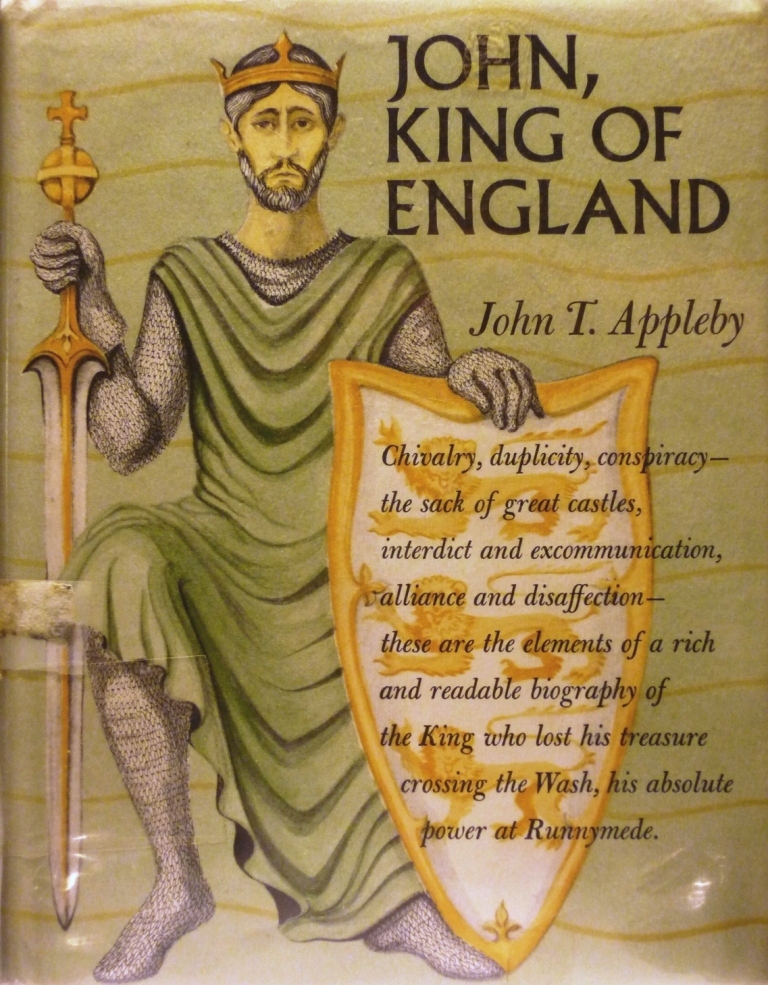
My second half-book for 2013 – John, King of England by John T. Appleby – was an adventure to read because it was a reference book for my novel-in-progress that I had to continue if I wanted the “in progress” bit to remain true.

Yet is was also so dense with historical information, it took forever for me to get through it.  No word of lie, I renewed this book from the library four times for three weeks at a time.

It was also the book that quite decisively taught me how not to go about writing a work of historical fiction, such as I currently am.  But that’s the topic of a whoooole other blog post.

Despite how long it took to read John, King of England, it was very enjoyable.  It was written in a dry, witty style typically attributed to British humour.  For a long time, I assumed the author, John T. Appleby (who died in 1974), was British, only to discover that he was born in Fayetteville, Arkansas, was a Harvard graduate, and at the time of the book’s publication (1959) lived in Washington, D.C.

In the book, I learned about King John’s many failings that made him such a suitable distant villain in the Robin Hood lore.  A small selection:

Continue reading

Adventures in Reading: A tale of two tyrants (in two parts)

PART 1

As previously mentioned, one of my New Year’s Resolutions for 2013 is to read 12 books.

Twelve books in 2013 is a book a month(ish), and once the New Year hit, the countdown was on.

The problem was, on January 1, I was midway through a research book for my novel that I had to finish to continue writing.  Yet, this title couldn’t count as book #1 since I was, indeed, already halfway through it.

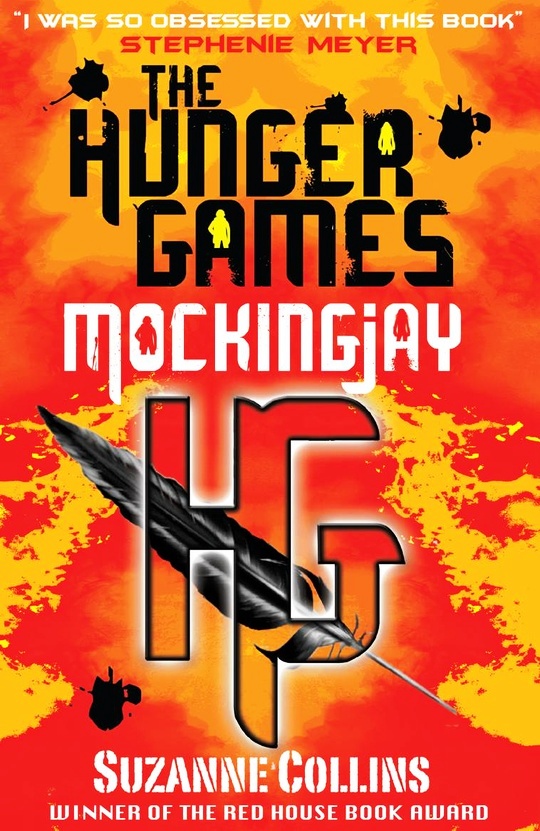
To compromise, I took another book I was also halfway through and counted the two halves as one.  And as it happened, the two books – John, King of England by John T. Appleby and Mockingjay by Suzanne Collins – both dealt with the subject of tyrants and people’s responses to their actions.

Continue reading

Is Anybody Listening? A lament (and relent) about Twitter

I don’t get Twitter.

Or in Twitter parlance: #IDon’tGetIt.

It is, at face value, actually quite simple: an online venue in which one expresses him-/herself in 140 characters, follows the expressions of others, and categorizes his/her own expressions with hashtags for ease of allowing others to follow him/her.

Indeed, Twitter’s liberal use of symbology – #, @, RT, MT, and links beginning with bit.ly or ow.ly or foreshortened forms of other familiar websites (e.g. amzn, goo.gl, wp) – gives it less the air of a web service and more that of a futuristic language.

And who doesn’t think it’s cool to be bi-/tri-/multilingual?

I get all that.

I also get that Twitter’s a great way to keep up with news, which is the primary reason I joined up in the first place.

Only….

What I don’t understand is how some people manage to actually get said news.

Because there is just so much of it.

Continue reading

Come Hell or High Water: A blogging birthday

A rare mid-week and late-night post from me to commemorate my very first post on The Rules of Engagement, which was also mid-week and late-night.

For one year now, my blog has been online.

In that time, I’ve amassed some respectable numbers, learned a lot, and made some wonderful blogging friends.

Even more importantly, though, I’ve regained the confidence I’d lost as a failed blogger in a past writing life.

My original goal for this blog was to add one new post a week, regardless of whatever else might be on my plate.  With the exception of a conscious choice to not blog one time during the Christmas season, I’m happy to report that I’ve not missed a single week.

Consistency is the key to a successful blog, as it is with most other things in life, not the least of which includes writing.

51 posts in year one.  As is often said on the birthdays of people when they turn a year older,

And many more!

(Image source)

——————–

Related posts: