How Reading Affects My Writing – Past, Present, and Future

Book magic

When it comes to books and words and the creation and consumption of both, although I write nearly every day, I’ve always considered myself a reader first while only second am I a writer.

Of course, there is factual truth to this statement: I literally learned and continued to read stories before I started writing them (although the timing for both is close; I clearly recall writing my first “novel” in grade two).

Even now as an adult, my almost-daily reading occurs earlier in the day (dinner time) than does my almost-daily writing (after dinner, the last thing before  I go to sleep).

Continue reading

Why I Don’t Read Five-Star Book Reviews

Amazon star ratingsEver since my very first Amazon book purchase on October 25, 2002, I’ve never stopped debating myself on the value of customer book reviews.

(If you ever want to enjoy a nostalgia-filled blast through the past, go through your Amazon purchase history order by order, year by year, back to the very beginning.)

On the one hand, professional reviewers aren’t always giving in-depth reviews of the books I read or want to read.  As well, there are way more customer reviewers out there; the law of averages alone suggests I’m more likely to share tastes with an amateur than a pro, many of whom fall into more similar social demographics to each other than to me.

Continue reading

Should Writers Abbreviate Their Names?

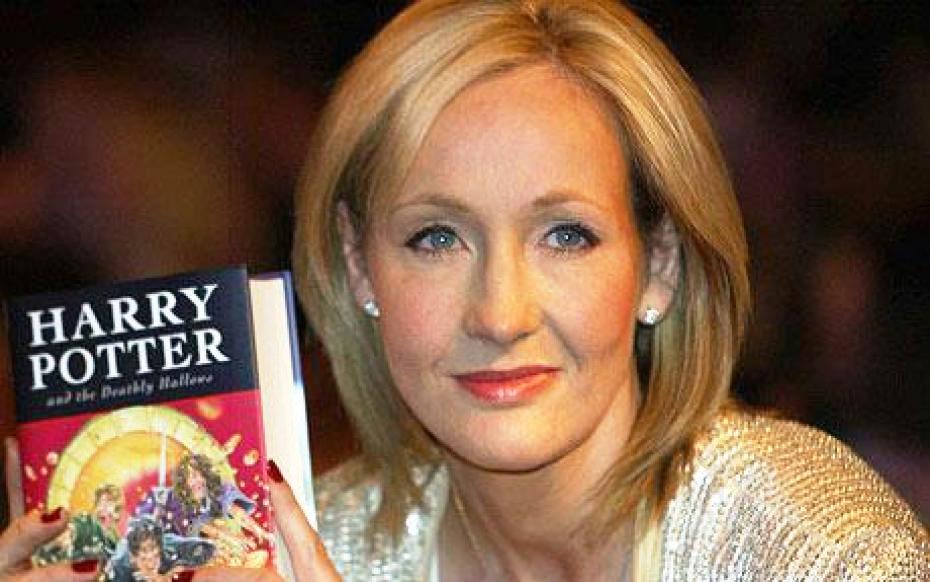
J.K. Rowling

This post is more accurately titled “Should Female Writers Abbreviate Their Names?”, since they are, it seems, the writers who most commonly do so.

The short and simply answer to the question is, of course, “They should do whatever they want.”  For I’m not here to dictate otherwise, especially given the numerous different reasons a female writer would choose to use her initials instead of her full name:

  • She had a given name that’s difficult to pronounce or spell
  • To create a new identify for writing in a different genre
  • To maintain a measure of distance from her non-writing life
  • Because another author has her exact same name
  • Because she dislikes for her given name
  • To emulate classical male writers who used abbreviations, such as C.S. Forrester, C.S. Lewis, J.R.R. Tolkien, and J.D. Salinger

Just to name a few.

Continue reading

When What’s Old is New Again for the New Year

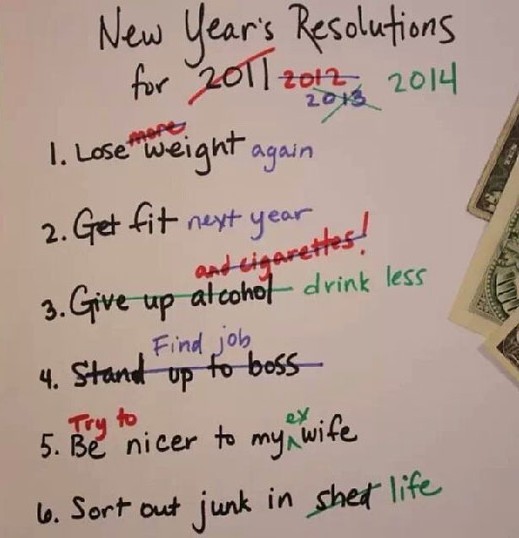
Rearranging New Year's ResolutionsF**king Twitter!

I love the concept of Twitter – of microblogging in general.  I love the way those who are Twitter-savvy are able to use it to meet new people, remain connected to friends and fans, and obtain information that’s of value and of interest to them.

I just don’t seemed able to do any of those things myself.

Continue reading

Cities (and Stories) Are All the Same … Except When They’re Not

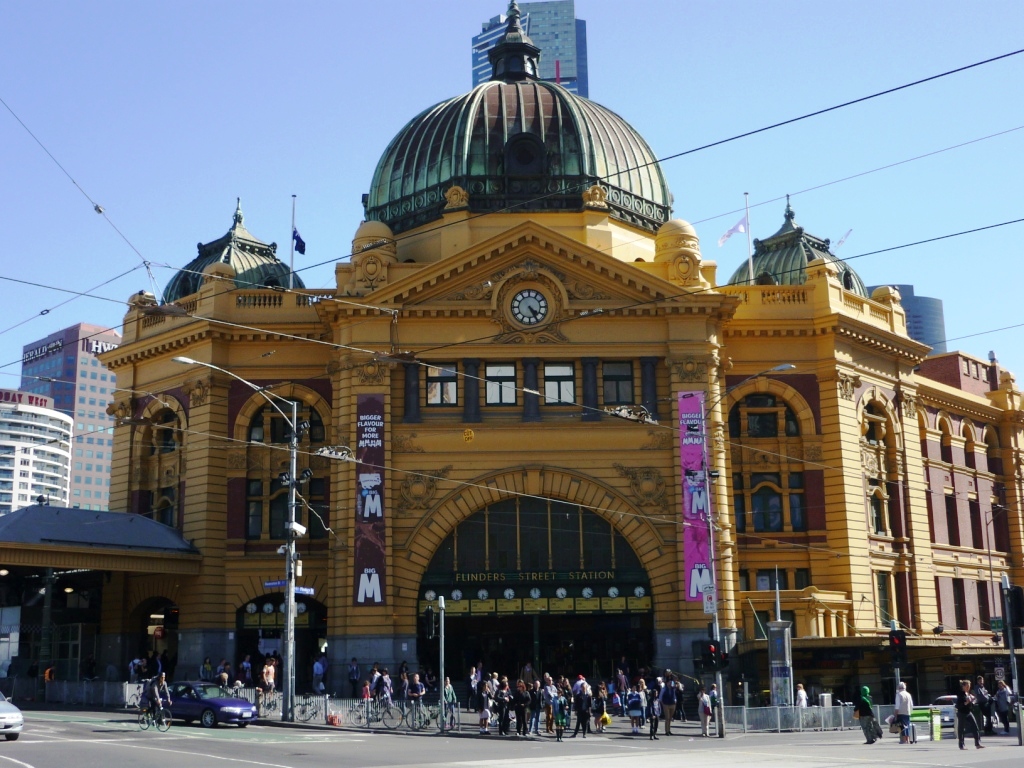
Flinders Street Station transit hub, Melbourne, Australia

Flinders Street Station – a major transit hub, Melbourne, Australia

In what seemed like the blink of an eye, I’d travelled more than half a day into the future; perhaps journeying more than half a day closer to my final day.

~

“I don’t feel like I’ve just come halfway around the world.”

These were among the first words I spoke on Australian soil to my Aussie-born friend and former Vancouver roommate who was the impetus behind my recent trip Down Under.  This after she’d retrieved me from a very crowded Melbourne airport and pointed out all her favourite cafés, restaurants, shopping areas and, walking paths during the drive to her apartment.

Continue reading

Who Anchors Your Artistic Chain of Influence?

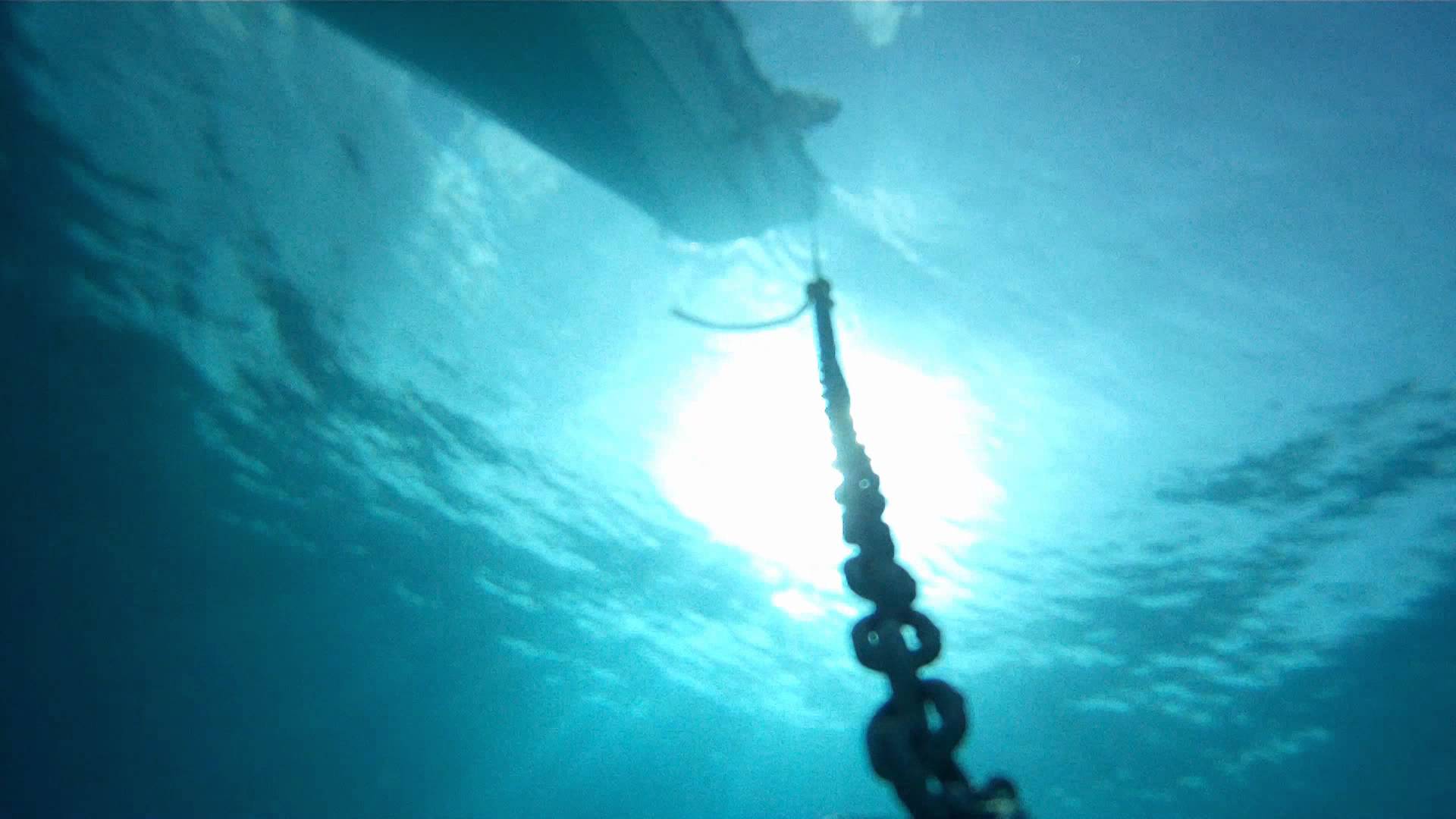
Anchor chain

As writers, we often believe we were born to write.

I certainly have early memories of my writing life.  My first “novel” – a masterpiece inspired by the cartoon Jem and the Holograms – was “published” in grade three.  I haven’t really stopped writing since.

“It’s in my blood,” I’ve heard writers claim.  “I couldn’t not do it.”  And I find, for the most part, that I agree.

However, I’ve never been one to champion Nature as the sole determinant of anything.  Especially after reading a recent blog post by literary marketing expert Dan Blank about an artist’s chain of influence, which led me to examine my own early writing influences.

Continue reading

Lent: Not Just For Catholics, Not Only About Saying Sorry

Countdown calendar

So today, on St. Patrick’s Day – a day of parades, parties, and green beer in North America – I’ve decided to write about Lent.

I’m not Catholic, or even especially religious. Yet Lent is a ritual I practice regularly.

For those even less religious than I, Lent is the 40-day period preceding Easter and running roughshod right over St. Paddy’s Day during which, among other things, it’s customary for people to temporarily give up on indulgent habits.

It’s a period of penitence, self-denial, and reflection corresponding with the 40 days Jesus Christ spent alone in the desert prior to the start of his ministry, fasting and enduring temptation from the Devil.

The purpose of Lent is to prepare Christians to rejoice at the resurrection of Jesus at Easter.

As I mentioned above, I’m not especially religious.

And yet, in recent years, for Lent I’ve given up,

  • Bagels
  • Chocolate
  • All desserts
  • Needless complaining

And this year, movies and Netflix.

Continue reading

How to Read 12 Books in a Year (with minimal change to your regular reading habits)

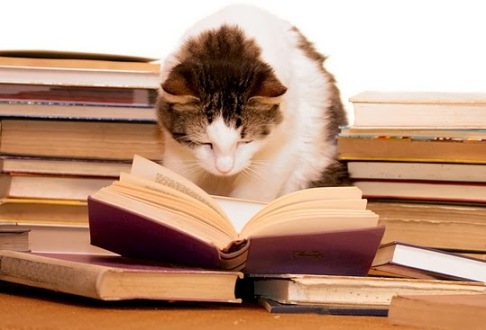
Cat readingThere are people out there who read like fifty books a year.

This post is not for them.

(Indeed, I wish one of them would write their own post to teach me to read more.)

Reading is my oldest pastime, yet the older I get, the less time I seem to have for it.

I don’t ever want to stop reading books.  But life is busy and full of countless distractions, not the least of which include writing, socializing, finally watching Homeland on Netflix (seriously, have you seen that show?!), and of course working – by far the biggest occupier of my time.

Last year for New Year’s, I resolved to read 12 books for the year. A book a month-ish, as I took to calling it given the overlap of some calendar months that occurred.

Continue reading

Should Authors Be Good Role Models?

JK Rowling

I recently concluded that reading Young Adult dystopian isn’t for me.

Admittedly, having just celebrated my 35th birthday, it’s hardly a revelation that I’m the genre’s target audience.

However, my conclusion came even less recently than that; it happened about a month ago when I finished my sixth YA dystopian title this year after Suzanne Collins’s Mockingjay, Beth Revis’s Across the Universe trilogy, and Samantha Shannon’s The Bone Season:

The uber-popular Divergent, by Veronica Roth (soon to be a movie in 2014).

In this book, all 16-year-olds – the main character, Tris, included – undergo often violent and competitive initiations in order to be inducted into one of four societal factions that go on the govern the rest of their lives (full plot summary here).

Continue reading

On Suspense in Storytelling, pt. 2 – Unpredictable-Unputdownable

Every story, by definition, contains suspense in one form or another.

The most common form is the Predictable-Yet-Still-Desirable (from pt. 1), wherein the reader/viewer already has a pretty good idea of what’s going to happen before it happens, but wants to see it anyway.

This may be either to feel the satisfaction of having been correct in his/her predictions, to see exactly how it happens, or to be already emotionally prepared to vicariously undergo a universal human experience.

Somewhat less common is a second form of suspense, which, ironically, is probably the form that more readily comes to mind when one hears the word “suspense”: the unpredictable-and-thus-unputdownable, which keeps the reader glued to the book, and still reading long after s/he should have gone to bed.

All stories by their very nature contain the precursors of this type of suspense.  How could they not?  Stories come to us described by blurbs designed to hint at the plot and its major turning points, but ultimately give nothing away.

They’re the very definition of suspense, for who knows what might happen between the lines of that enticing paragraph on the back of the book or DVD case?

Not all stories, however, retain that suspense.

Continue reading