Should Writers Abbreviate Their Names?

J.K. Rowling

This post is more accurately titled “Should Female Writers Abbreviate Their Names?”, since they are, it seems, the writers who most commonly do so.

The short and simply answer to the question is, of course, “They should do whatever they want.”  For I’m not here to dictate otherwise, especially given the numerous different reasons a female writer would choose to use her initials instead of her full name:

  • She had a given name that’s difficult to pronounce or spell
  • To create a new identify for writing in a different genre
  • To maintain a measure of distance from her non-writing life
  • Because another author has her exact same name
  • Because she dislikes for her given name
  • To emulate classical male writers who used abbreviations, such as C.S. Forrester, C.S. Lewis, J.R.R. Tolkien, and J.D. Salinger

Just to name a few.
Continue reading

Replaying Xena: Season 1 – The adventure (and my binge-watching adventure) begins

Xena - Sins of the Past

One season down, five more to go!

My decision to re-watch all six seasons of the show Xena Warrior Princess – which is set in Ancient Greece – corresponded with my decision to someday rewrite my shelved first fantasy novel as historical fiction, also set in Ancient Greece.

That and because Xena is such a thrilling character – my favourite fictional character, in truth – whom I hadn’t watched since the show ended in 2001.

Continue reading

On Female Ghostbusters, Gimmicks, and the Nature of Storytelling

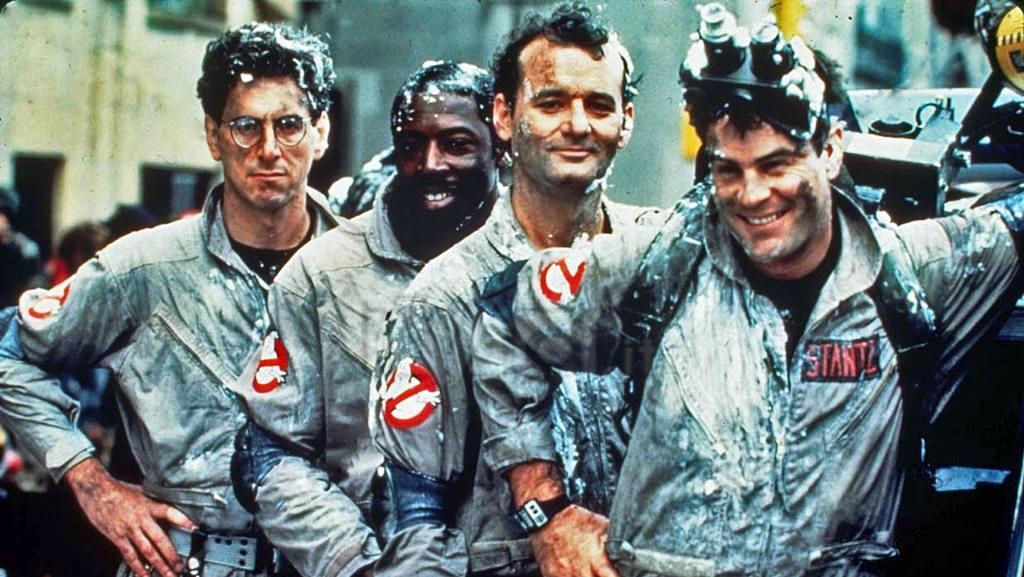
Ghostbusters original cast(1984).

Ghostbusters original cast (1984).

By now, most people have heard about the plan to reboot the movie Ghostbusters with an all-female cast.

Some people are really excited about it.

Others are really upset.

Like really upset, to the point of borderline self-righteousness, with words like “gimmick” and “pandering” receiving a thorough workout.

Maybe I’m just splitting hairs over semantics, but in and of itself, I don’t consider a gimmick to be a negative thing.

All marketing and media uses gimmicks or “hooks” to attract a target audience, in this case the hook being the casting women where previously there’d only been men, ostensibly to attract – at least in part – a target audience of female viewers.

Which right there may well be the real issue.

Continue reading

Not the Girls We Think They Are: On unattractive female characters in fiction

Jane Eyre (2011)

Jane Eyre (2011)

“She isn’t ugly enough.”

This was my friend’s comment on the actress playing Tris Prior in the movie Divergent as we stood in line to buy tickets.

“She wouldn’t be my type if I were into girls,” I replied, thinking I’d missed the punch line of a joke and trying to compensate with humour of my own.

“No,” my friend insisted.  “People are complaining about the actress being too pretty because in the book Tris is supposed to be ugly.  Remember?”

We’d both read the book.  My friend enjoyed it more than I did, and as a result seemed to remember certain details better than me as well.

But now that she mentioned it, I did recall something about Tris considering herself unattractive, or in the very least, plain, and that she was sure her male crush would dislike her because of it.

Continue reading

“For Diversity’s Sake”: On Representation in Fiction, One’s True Art & the Vicious Circle of Mainstream Media

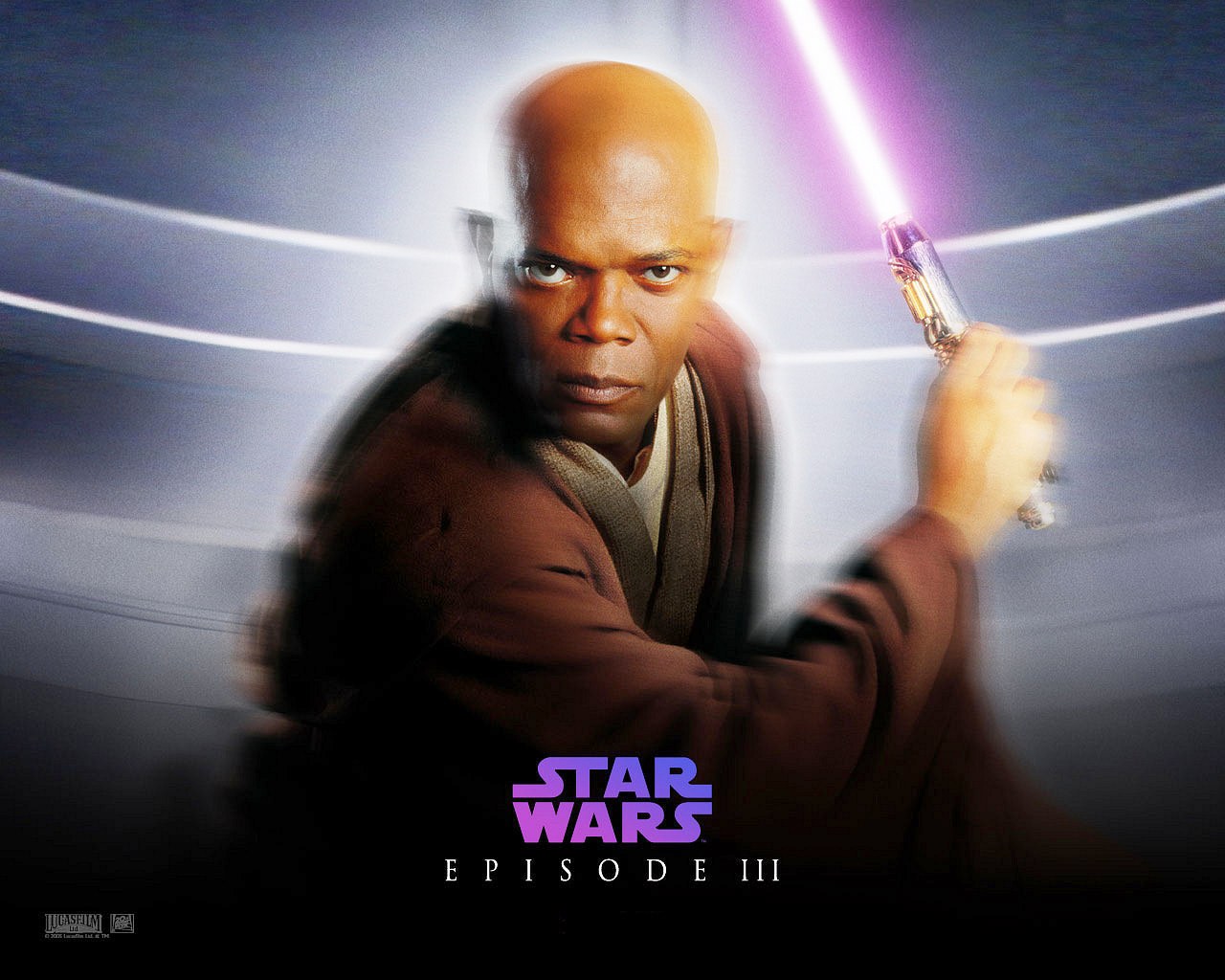
Samuel L. Jackson as Mace Windu, the first black Jedi.

Samuel L. Jackson as Mace Windu, the first black Jedi.

There’s been a lot of talk lately within the corners of the blogosphere I frequent about diversity of characters in genre fiction.

First fantasy author Chuck Wendig blogged in favour of book and movie characters being more representative of the world around us.

Then, indie fantasy author Ksenia Anske wrote about writers – diverse writers included –writing their true art – whatever shape or colour that may be – rather than being obliged to meet quotas of diversity – a compelling piece I neither fully agree nor disagree with.

This topic is hardly new within the writing world, with numerous other arguments out there both for and against the inclusion of more people of colour, of different sexual and gender orientations, and different physical and mental ability levels in genre fiction.

The “against” argument I despise the most is the concept of something I repeatedly saw in the comments trail of Chuck Wendig’s post.

The notion of “diversity for diversity’s sake”.

Continue reading