
(A/N: Post title is taken from the song of the same name by The Be Good Tanyas.)
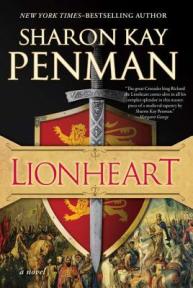 What exactly is historical fiction, anyway?

I’ve been actively writing it for five months now, and thought about writing it for at least two years prior to that. But it’s only in the past two months that I’ve actually stopped to ponder what historical fiction is really all about as a category of novels.
I have a blogger that I follow to thank for this period of reflection. Over at the blog entitled On Becoming a Wordsmith, historical fiction writer Elaine Cougler has been generating good discussion on this topic, starting with this post and continuing with this one.
According to Elaine (quoting Wikipedia), at its simplest, historical fiction is defined as follows:
Historical fiction tells a story that is set in the past. That setting is usually real and drawn from history, and often contains actual historical persons, but the main characters tend to be fictional. Writers of stories in this genre, while penning fiction, attempt to capture the manners and social conditions of the persons or time(s) presented in the story, with due attention paid to period detail and fidelity.
From what I gather from the discussion over at Elaine’s blog, the historical fiction genre (and I use the term “genre” very loosely here, as the second post I’ve linked above raises the issue of whether historical fiction is truly a genre at all), can be further divided into two broad subcategories:
a) Stories that contain actual historical personages and historically accurate events.
b) Stories in which the era and location they’re set in is historically accurate, but the characters (and perhaps even the events as well) are fictitious.


 Janna G. Noelle